Tag: Japan Attractions

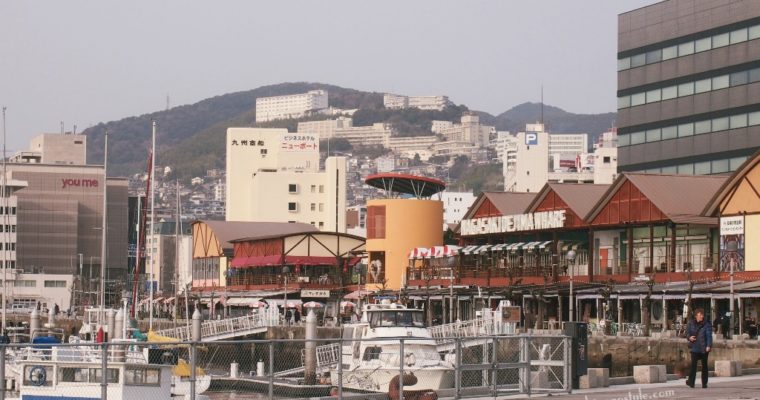
What to Do in Nagasaki for 2 Days?

What to Do in Nagasaki for 2 Days?

Getting to Nagasaki From Fukuoka to Nagasaki “Two bus tickets to Nagasaki, please. Via Hakata.” The ticketing officer at Fukuoka Airport looked at us in bewilderment. Then, he tried his best to explain in English that it was a bad idea. Upon his advice, we 

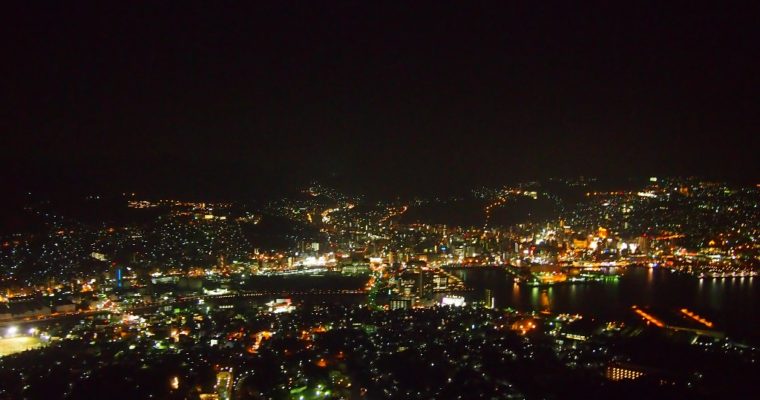
Night View of Mount Inasa (Nagasaki)

Night View of Mount Inasa (Nagasaki)

About Mount Inasa The night view of Mount Inasa (稲佐山, Inasayama) is said to be one of Japan’s three best night views. The other two belong to night views from Mount Hakodate, and of Mount Rokko and Mount Maya. The former has a panoramic view 

Nagasaki Glover Garden and Oura Church

Nagasaki Glover Garden and Oura Church


About Nagasaki Glover Garden and Oura Church


Glover Garden

Glover Garden (グラバー園, Glover-en) is located on the hill where Western merchants settled down after the end of Japanese government’s Seclusion Policy in 1853. It is a large sprawling garden which houses the Former Glover Residence and other relocated properties.

These other historical buildings formerly dotted around Nagasaki City and were then relocated to this garden. Some of these include residences of famous Westerners such as the Ringer, Walker and Alt.

travel.joogostyle.com - Oura Church

Oura Church

Next to Glover Garden (Gate One), you will find the supposedly oldest church in Japan, Oura Church (大浦天主堂, Ōura Tenshudō). The church was also the first Western type building in Japan declared as a national treasure.

This Catholic church was built in 1864 to serve the growing community of foreign merchants in Nagasaki city then. It is also dedicated to the 26 Catholics executed in the city in 1597. You can visit the ‘Site of the Martyrdom of the 26 Saints of Japan‘ in Nagasaki.

Oura church was under construction when we were, hence we didn’t get a chance to visit. Do note that admission fee also includes entry into the museum about the history of Christianity in Japan.

Admission Details

  • 8:00AM to 6:00PM, daily.
  • 1,000 yen (S$12.30)
  • Five minutes’ walk from Ouratenshudo-shita tram station on tram no. 5.
  • 5-3 Minamiyamatecho Nagasaki-shi, Nagasaki prefecture 850-0931
  • nagasaki-oura-church.jp

Getting There


travel.joogostyle.com - Nagasaki Glover Garden and Oura Church

Glover Garden and Oura Church are next to each other, and it’s about 5 minutes walk from Ouratenshudo-shita Station. However, it seems like eternity before we found Glover Garden. The directional signage was not clear and the whole place seemed like a maze to us.

travel.joogostyle.com - Glover Garden Shops

We walked through slopes of shops and weren’t sure if we were heading the right way! The climb up was real tiring for me. Good thing we wore good walking shoes, otherwise my feet would ache even faster.

It was a pity we arrived late in the day, about 3:45PM. The streets were already relatively quiet and a few shops seem to be closing for the day. By the time we were done with Glover Garden, the sky was dark and all the shops closed.

travel.joogostyle.com - Glover Garden Shops

The shops look really interesting! I wished we had more time to explore. Along our way to the Glover Garden vicinity, we passed by this retro shop. I took a photo of it and the fierce uncle owner barked at me. Spot him in the photo below!

travel.joogostyle.com - Glover Garden Shops


Glover Garden


Entrance & Suggested Time to Visit

I would suggest half a day for Glover Garden and Oura Church. Buffer in some time for you to find your way. We were quite lost and didn’t even know we have arrived at Glover Garden. The ticketing office is not visible. We simply came across a tablet of stone with Japanese engraving and guessed it to be Glover Garden. However, I didn’t want to risk climbing another slope only to find out it’s not. Hence, I sent hubby ahead to recce first.

travel.joogostyle.com - Glover Garden

And…we finally reached! Good thing we ended up at the more common entrance, Gate No. 1 (near to Oura Church). The other gate is found at the other side of Glover Garden. Before I could pop the champagne, there were more steep slopes and steps to conquer after the ticketing office.

Oh and start the day early! In this way, you will have more time to shop around the area and avoid the cold evening weather. Being at high altitude, the strong wind made us tremble more in the winter night. Even my hubby who has a high threshold of cold, found it cold. See the frozen baby below.

travel.joogostyle.com - Glover Garden

Admission Details

  • 8:00AM to 6:00PM, daily (until 8:00PM, 9:00PM, 9:30PM during summer and peak seasons, refer to their website.).
  • Adult: 610yen (S$7.50), but for some reason we were charged group pricing of 510yen (S$6.20). Probably because we were there near to their closing time.
  • Take streetcar to Ouratenshudo-shita Station and walk about 5 mins.
  • www.glover-garden.jp/english

Former Glover Residence

The main attraction of Glover Garden is the Former Glover Residence. It is a UNESCO World Heritage under ‘Sites of Japan’s Meiji Restoration: Iron and Steel, Shipbuilding and Coal Mining’.

travel.joogostyle.com - Glover Garden

This residence used to belong to Thomas Blake Glover and is now the oldest wooden Western-style residence in Japan. Mr Glover was a Scottish merchant and is considered to be one of the founding fathers of modern Japan, contributing to the industrialisation of Japan in shipbuilding, coal mining, and other areas.

*Former Glover Residence will undergo maintenance during most of 2020 and visitors will not be able to enter the Residence. A temporary observation deck will be constructed. Preservation was not done since the 1968, so it’s a chance to see this important work first hand.

Walking around Glover Garden

travel.joogostyle.com - Glover Garden

We headed straight up to the top of Glover Garden, where the Glover residence is located before making our way down. Thank goodness that there is a travelator for us to go all the way up.

Glover Residence is situated at the peak, overlooking Nagasaki Harbour. Climb up to level two of the house to have a good view. Otherwise, head to the lookout area to enjoy the stunning view of Nagasaki City.

travel.joogostyle.com - Glover Garden

The warmly lit residence and its surroundings gives off a romantic atmosphere in the cooling weather. Did Mr Glover always had the time to take a peaceful walk around the garden? To enjoy the night ambience after dinner in the residence?

This beautiful part of Glover Garden resembles the set in Puccini’s opera, and thus known as the “Madame Butterfly” house. Walk around and spot the statues of Puccini (the composer) and Miura Tamaki (actress) of the opera.

travel.joogostyle.com - Glover Garden

After enjoying the extraordinary view, walk along cobbled walking trails and head down to explore mansions owned by other Western merchants. Have a look at the well-preserved rooms, and witness the lifestyle of the wealthy inhabitants.

There are also other buildings to look at, such as former Mitsubishi No.2 Dock House and Gatehouse of a former school. Many of these mansions and buildings were relocated from other parts of Nagasaki.

travel.joogostyle.com - Glover Garden

In addition to the historic buildings, you can also rest at a cafe or shop in a souvenir shop located within the garden grounds. You will also notice that Glover garden is lush with flowers and greenery, with beautiful wall fountains of trickling water.

travel.joogostyle.com - Glover Garden

Illuminations

Even though we had to brave the cold as the sky turned dark, we got to see the lighted up Glover Garden. Beautifully illuminated. We even caught a light illumination show where lights wrapping around the trees danced to the music. Watched a snippet of it in the video below. :)

For travel tips around Northern Kyushu, check out our “Overview Itinerary of Northern Kyushu, Japan“.

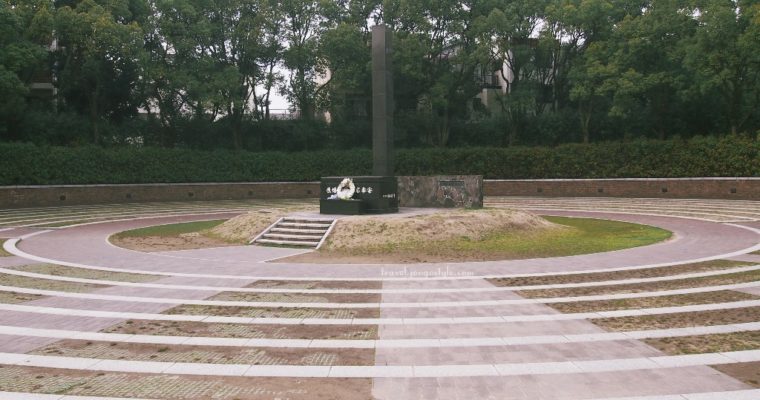
Nagasaki Atomic Bomb Museum and Peace Park

Nagasaki Atomic Bomb Museum and Peace Park

An elderly man sat diagonally opposite of me. Two girls in uniform stood near the door of the tram. They were talking in low voices in their beautiful Japanese language, without any cares in the world. I looked at my hubby opposite of me and 

Shimokitazawa | Tokyo, Japan

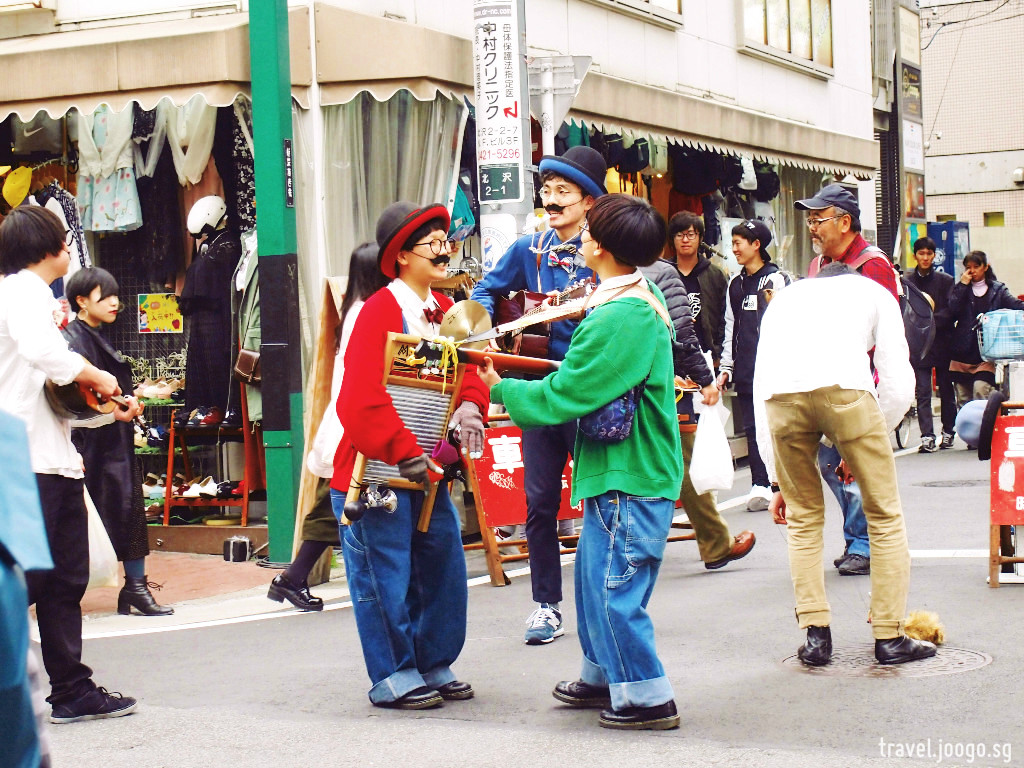
Shimokitazawa | Tokyo, Japan

On our way back to Shinjuku from Doraemon Museum, we passed by Shimokitazawa, commonly known as Shimokita. It’s only a few stops away from Shinjuku station. Located at the western part of Tokyo, Shimokita is a small hipster town that’s popular among the young crowd. It’s comparably smaller 

Shinjuku Gyoen National Garden in Spring Sakura

Shinjuku Gyoen National Garden in Spring Sakura

After all the shopping and eating in Shinjuku (What to Do at Shinjuku Tokyo, Japan?“,What to Eat in Shinjuku Tokyo? (Part 1)” and (Part 2)“), I needed to find some respite in the nature. So glad there’s a huge garden, Shinjuku Gyoen National Garden, walkable from our Shinjuku airbnb and Shinjuku train station. Depending on the flowers you like and the time of the year you are going, it’s not necessarily a must go on your first trip to Tokyo (read on to find out which season to visit).

Shinjuku Gyoen National Garden - travel.joogo.sg


History


Shinjuku Gyoen was first built during the Edo period on the private residence of Naito Kiyonari, a trusted vassal of Ieyasu Tokugawa, Japan’s first shogun (military dictator/de facto ruler). During Meiji era, the government converted the site for agricultural experiments and research. It later became an imperial estate, named “Shinjuku Imperial Botanical Garden” and then opened to the public after World War II as “Shinjuku Gyoen National Garden”.

Shinjuku Gyoen Spring Sakura 1 - travel.joogo.sg


General Visitor Information


If you are coming from Shinjuku train station, you will walk about 10-15 mins walk before reaching the Shinjuku Gate. Then, proceed to purchase your ticket at the information center for ¥200 (S$2.50) / adult.

It will probably take you 1 to 2 hours to walk around Shinjuku Gyoen  and appreciate its beauty and of course, take photos. :) Best to go early to avoid the crowd!

accessmap


Different Parts of the Garden 


With an area of 58.3 hectare, the garden is subdivided into a few major gardens: French Formal Garden, English Landscape Garden, Japanese Traditional Garden, and Mother & Child’s forest (Hahato-Kono-Mori). Other than these themed gardens, there are other areas in Shinjuku Gyeon to visit as well.

Shinjuku Gyoen Map - travel.joogo.sg

These other points of interest in the Shinjuku Gyeon include:

  • Old Imperial Rest House: Built for the imperial family, it used to be a clubhouse during the latter half of Taisho era.
  • The Greenhouse: Visit to enjoy the tropical and subtropical plants, orchids and endangered plants.
  • Taiwan Pavilion: It’s built in 1928 using the architectural style of southern Fujian province of China to commemorate the wedding of Emperor Showa. Enter the Pavilion and look out the windows on 2nd floor.
  • Restaurant Yurinoki: The building is built using solar panels and environmental friendly materials. You can find an exhibition hall and restaurant here.
  • Tea House (in the Japanese traditional garden): Enjoy powdered green tea served with Japanese sweet in this traditional tea house. Beside it, you can find Yulan Magnolia and snowy blossoms during spring.

Shinjuku Gyoen National Garden in Spring - travel.joogo.sg


Different Season, Different Flowers


The garden is worth a visit, but like I said, it also depends on the type of flowers you like.

Winter

This is when fewer blooms are seen, except sightings of fragrant paperwhite flowers and red berries on certain types of trees. Or you can also enjoy orchid flowers reaching their full bloom in the greenhouse. However, if you are a bird lover, then winter is the best for bird watching in Shinjuku Gyeon–spot thrush (birds) from Siberia and also mandarins and mallard ducks swimming in the ponds of Japanese Traditional Garden.

Autumn

Shinjuku Gyoen 2 - travel.joogo.sg

Immersed in autumn colours as the leaves on the tulip trees, sycamores, ginko trees and maples begin to change colours. Enjoy the autumn foliage at the Avenue of Sycamore trees that’s near to French Formal Garden. It wasn’t autumn when we were there, hence we only get to see bare trees. Even then, it was beautiful.

Also during this period (1-15 Nov), you can visit the annual Chrysanthemum exhibition, related to the Imperial household, held at the Japanese Traditional Garden.

Summer

During summer, the roses in the French Formal Garden and the tulip trees in the English Landscape Garden bloom. Cicaadas will be buzzing and dragonflies flying above the luscious lawn. But when we were there during early March, these gardens were almost barren.

p.s. these European gardens were designed by a French engineer. 

Shinjuku Gyoen 1 - travel.joogo.sg


Spring

I read that the cherry blossom season only starts from late March to early April. So I was disappointed that we were going to be in Tokyo but have to miss it by 2 weeks! >.< We were there in early March. However, I didn’t give up hope, I started scouring Instagram hashtags to see if any Sakura is spotted yet. Turned out, there were some early blooms in other parts of Tokyo but we wouldn’t be able to make it there. But it represents a slim hope for us in Shinjuku Gyeon.

We stepped into Shinjuku Gyeon, and quickly looked around for the early blooms of Sakura. I was so desperate to find it that we even mistook a tree for being a cherry blossom tree. We walked for about 15-20 minutes and still didn’t spot any. So I was getting a little disappointed.

Shinjuku Gyoen Spring Sakura 2 - travel.joogo.sg

Hubby went to toilet near the Tea House (Shouten-Tei) and I continued to walk around, through a narrow path and out to an opening. Lo and behold, there stood a huge cherry blossom tree. I gasped out loud. It literally took my breath away. Too bad hubby wasn’t by my side to see Sakura for our first time!

It was simply stunning. And since there weren’t many Sakura trees around, many tourists were crowding around this tree to take picture perfect photos! We took countless photos before leaving the grounds reluctantly, only to find another two to three Sakura trees along Middle Pond (Nakano-Ike). Nevertheless, we still had to take a couple more photos of the trees, now with different background. Hur hur.

Shinjuku Gyoen Sakura - travel.joogo.sg

The cherry blossom trees were simply stunning, especially as we see those pretty pink petals falling softly to the ground like gentle rain, covering the ground in pink. It was therapeutic for me.

Be sure to visit if you are there during the season! According to Shinjuku Gyeon’s brochure, there are about 65 varieties of cherry blossom and 1,100 trees blossoming successively in the garden. I cannot imagine the spectacular sight.

Oh ya, we also managed to see the Yulan Magnolia tree, which has large flower blooms, as we were about to exit the Shinjuku Gate. However, after seeing the beauty of sakura, it paled in comparison. (p.s. On the other side of the Tea House, not the Sakura tree side, you may also find the Yulan Magnolia bloom.)

Before the beauty fades away in a moment, let us enjoy the present.

Shinjuku Gyoen Spring Sakura 3 - travel.joogo.sg

For food and other things to do in Shinjuku, refer to “What to Do at Shinjuku Tokyo, Japan?“,What to Eat in Shinjuku Tokyo? (Part 1)” and (Part 2)“. 

Do you have other recommendations of where to go in Shinjuku? Tell us below or on our Facebook Page or Instagram. Moreover, bookmark this page > Overview Itinerary: Hokkaido and Tokyo (Winter/Spring 2016).

What to Do at Shinjuku Tokyo, Japan?

What to Do at Shinjuku Tokyo, Japan?

Other than Ginza, Shibuya and Harajuku (Nature or Shopping), Shinjuku is the other famous district of Tokyo. So, what to do at Shinjuku? Tonnes! Firstly, we stayed in Shinjuku We were contemplating where to base ourselves in Tokyo — Shibuya or Shinjuku? Many advice pointed us to stay in Shinjuku because 

From Harajuku’s Cat Street to Shibuya

From Harajuku’s Cat Street to Shibuya

From Harajuku (part 1, part 2), we walked through Cat Street to Shibuya. It was a long and tiring walk! But after we reached the end of Cat Street, it just didn’t make sense for us to walk back the street to take the train. It