Tag: Japan

What to Eat in Shinjuku Tokyo? (Part 2)

What to Eat in Shinjuku Tokyo? (Part 2)

For food lovers hunting for good food around Tokyo, I’m writing a series of the food we tried (or almost tried) around Ginza, Harajuku, Shibuya and Shinjuku. Look out for our honest reviews. :P First it was “What to Eat in Ginza“, then “What to Eat in Harajuku and 

What to Eat in Shinjuku Tokyo? (Part 1)

What to Eat in Shinjuku Tokyo? (Part 1)

For food lovers hunting for good food around Tokyo, I’m writing a series of the food we tried (or almost tried) around Ginza, Harajuku, Shibuya and Shinjuku. Look out for our honest reviews. :P First it was “What to Eat in Ginza“, then “What to Eat in Harajuku and 

From Harajuku’s Cat Street to Shibuya

From Harajuku’s Cat Street to Shibuya

From Harajuku (part 1, part 2), we walked through Cat Street to Shibuya. It was a long and tiring walk! But after we reached the end of Cat Street, it just didn’t make sense for us to walk back the street to take the train. It was nearer to walk on to Shibuya. -.-


Cat Street (Hipster District)


Cat Street to Shibuya - travel.joogo.sg

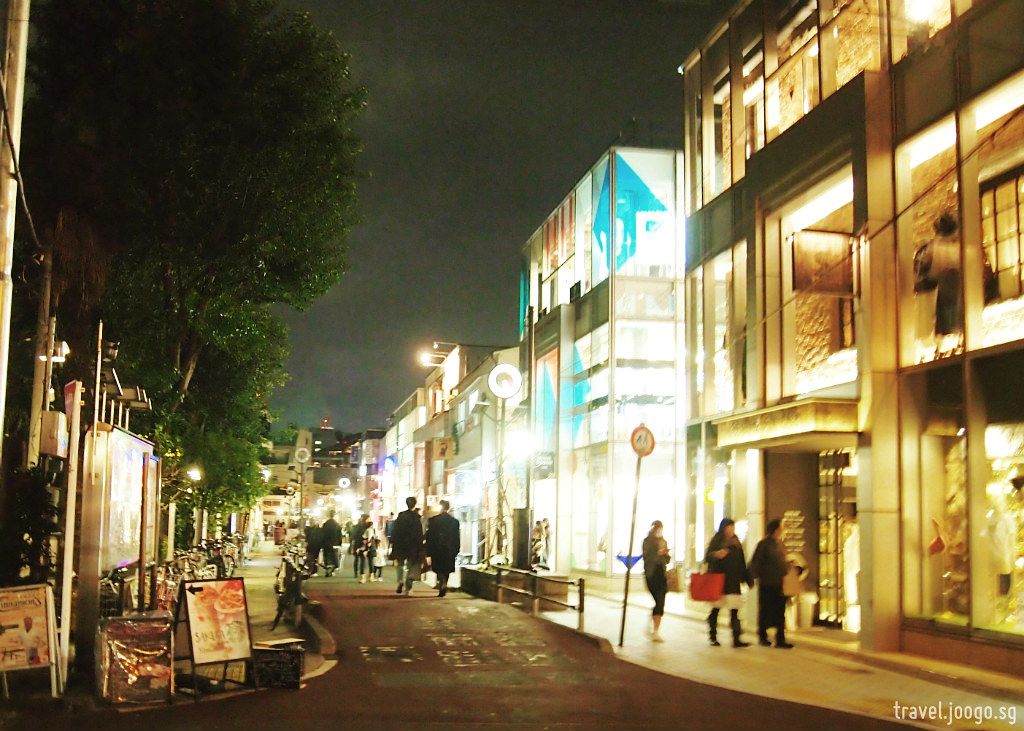
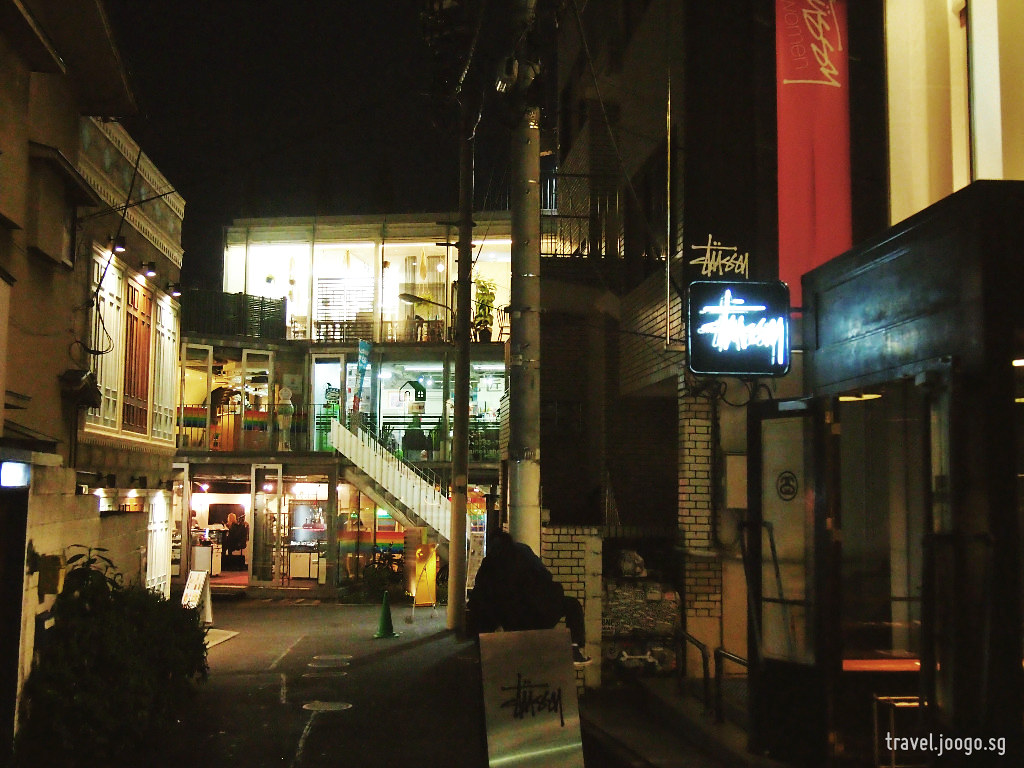
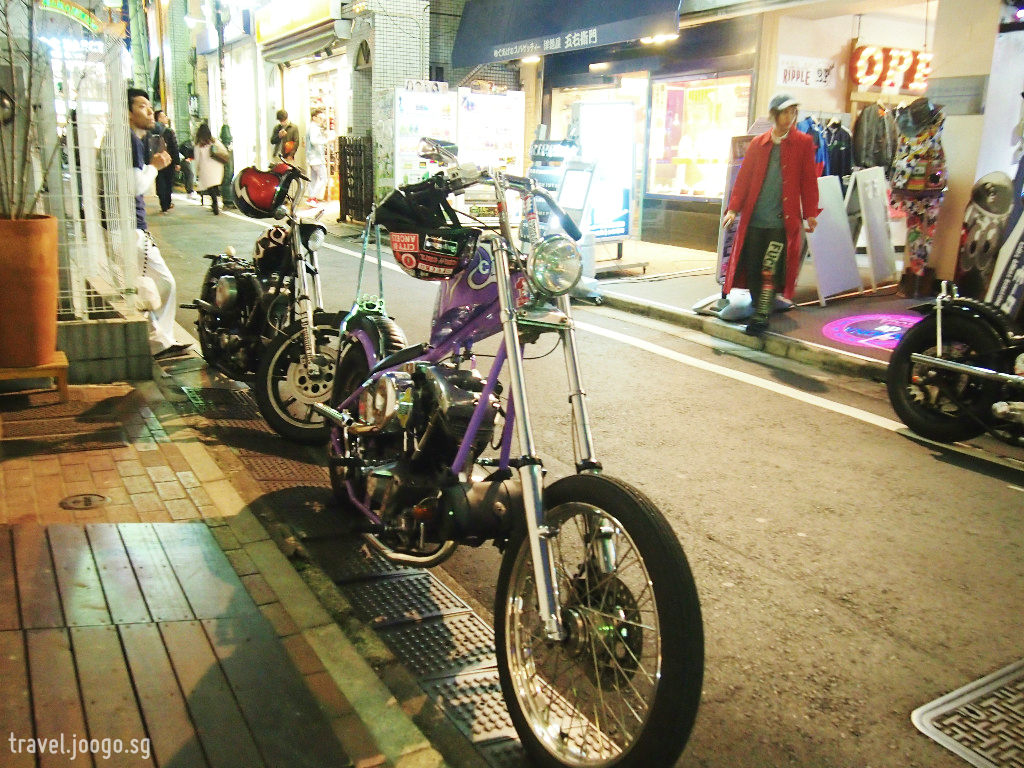
One of the lesser known streets you can explore in Harajuku is the Cat Street. It has a vibrant street fashion culture to attract hipsters here to shop and get style inspiration. The place reminded me of a improved and magnified version of Haji Lane. Nevertheless, this is a good place to escape the thick crowd at Harajuku’s main tourist spots. So you get to enjoy your shopping in a more relaxed and less crowded environment.

Cat Street - travel.joogo.sg

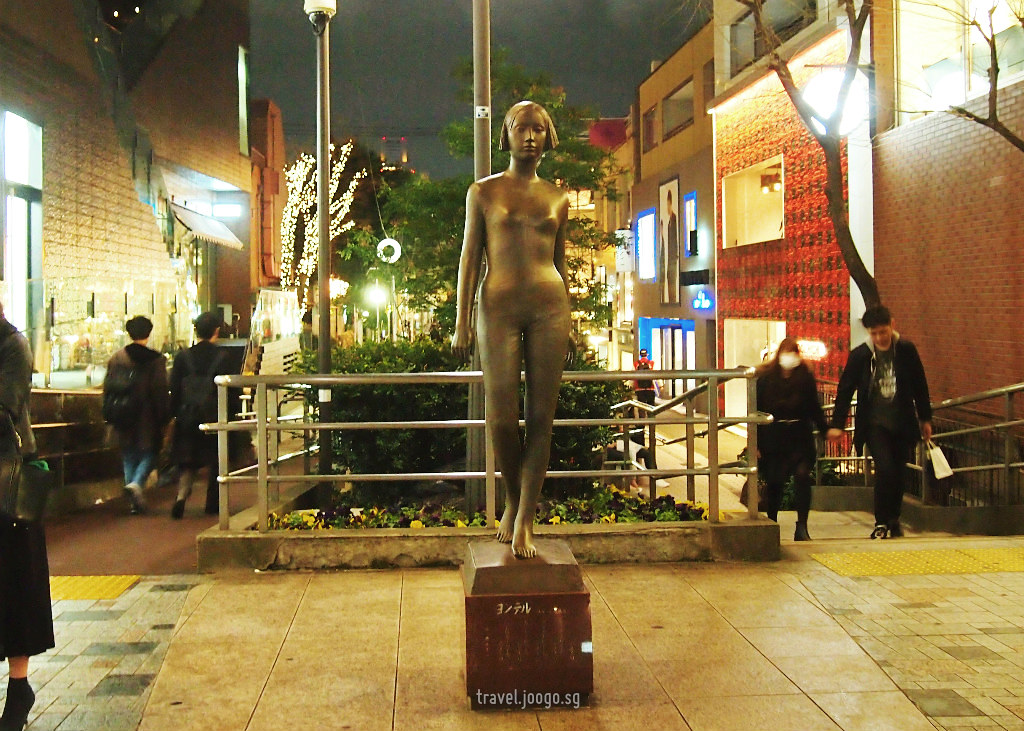
The long street runs perpendicular to Omotesando Avenue and parallel to Meiji Dori (St.). You can start your journey from a bronze statue of a woman that’s beside Island Vintage Coffee and near to Kiddy Land (Omotesando Avenue).

Cat Street 2 - travel.joogo.sg

Shopping

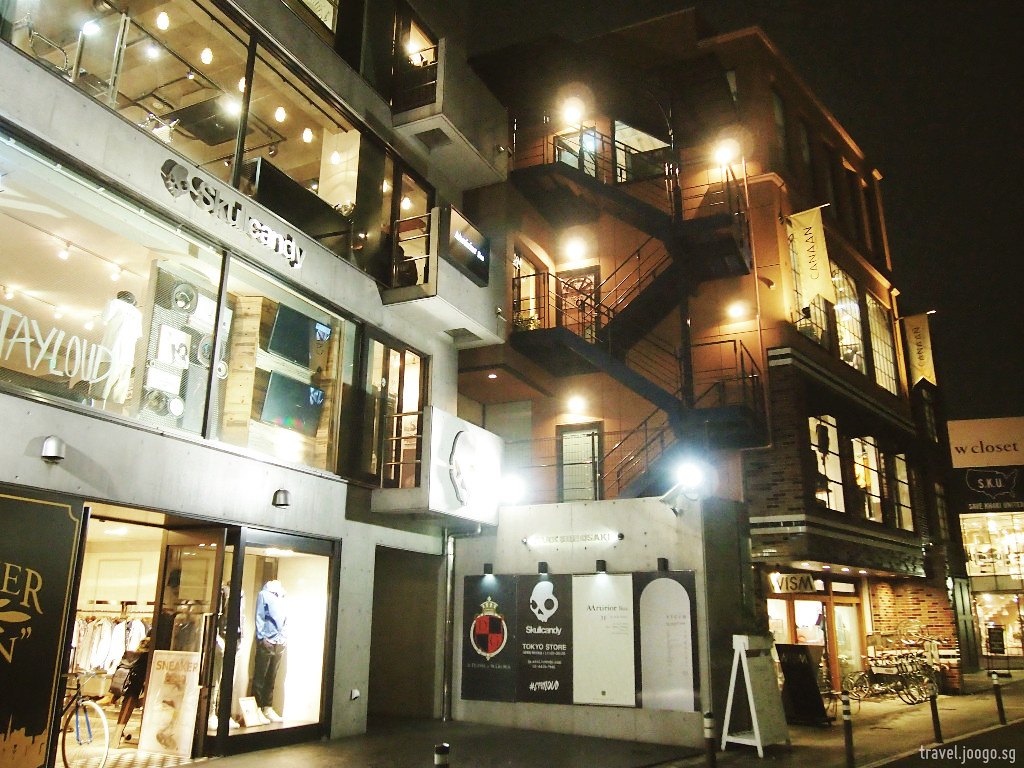
You can find a range of shops that caters to your wants: from big mainstream brands to niche brands, from high-end pieces to affordable ones. However, the street is generally getting upmarket over the years.

Cat Street 4 - travel.joogo.sg

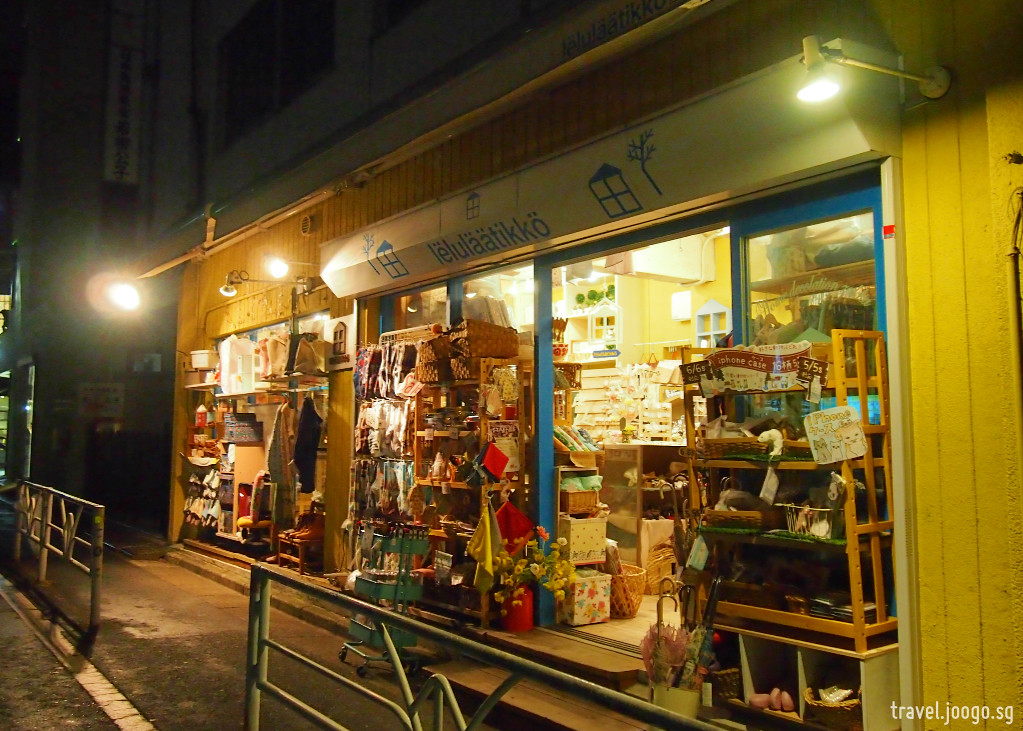
When we arrived, it’s dark and some shop were already closed. I would recommend that you come earlier in the day. We didn’t really shop at Cat Street except for the cosy small shop you see in the photo above. They have many items that are pretty and affordable. The price range is surprisingly lower than the average we had seen around Japan. We bought some items and later realised they’re Made in China. No wonder. For Japanese who pride themselves with Made in Japan stuff, it’s not surprising that the only patrons in the shop are tourists. Hoho.

Harajuku 1 - travel.joogo.sg

For those time-pressed, you can focus on a few stores based on this blog’s recommendation. With so many shops along Cat Street, I wished I had seen this list of shops before we went. A quick summary of the stores mentioned in the blog, starting from shops near the entrance:

  • Journal Standard: Men’s and women’s clothing, shoes and accessories. Carries its own brand and other brands including Adidas and Levi’s denim. Spot it as you past by the bronze statue.
  • Opening Ceremony: High-end bold pieces for a quirky and unique individual style. Unconventional, cool and chic. Carries originals and other designers such as Band of Outsiders and Kenzo. Check out this place for fashion inspiration. Also found in New York and Los Angeles. It’s close to Journal Standard.
  • Beauty & Youth United Arrows: Can be found throughout Tokyo. It carries brands such as Acne Studios and Lee and its own wide range of fashion style, from sophisticated look of sleek trousers and feminine loafers to a funky flair of leather jackets and skinny jeans. Moreover there are also home décor items and silverware. Writer’s must visit store ( 5-17-9 Jingumae, Shibuya-ku).
  • W Closet has a comfortable and friendly atmosphere. It carries both basic and unique pieces of shoes, sweaters, long coats, etc. Their clothing is easy to wear, comfortable and reasonably priced. Writer’s must visit store.
  • too cool for school: A Korean cosmetic shop that you can also find in Singapore. But if you want to compare prices, it’s near to W Closet.
  • American Apparel: The US shop with its usual items such as basic sweatshirts, t-shirts and accessories. Near the end of Cat Street. 

Harajuku - travel.joogo.sg

Food

Other than shopping, what should a hipster street has? Cafes and good food! :P

Cat Street has them as well as vending food machines. For coffee lovers, enjoy a cup of coffee at Streamer Coffee Company that’s famous for is their latte art. They have outlets in other parts of Tokyo and Japan too. For more information, refer to What to Eat in Harajuku and Shibuya Tokyo?.

  • streamer.coffee
  • 8am to 6pm (Mon-Fri, PH) 10am to 6pm (Sat, Sun) (Shibuya Branch)
  • 1-20-28, Shibuya,Shibuya-ku

Cat Street Great Burger - travel.joogo.sg

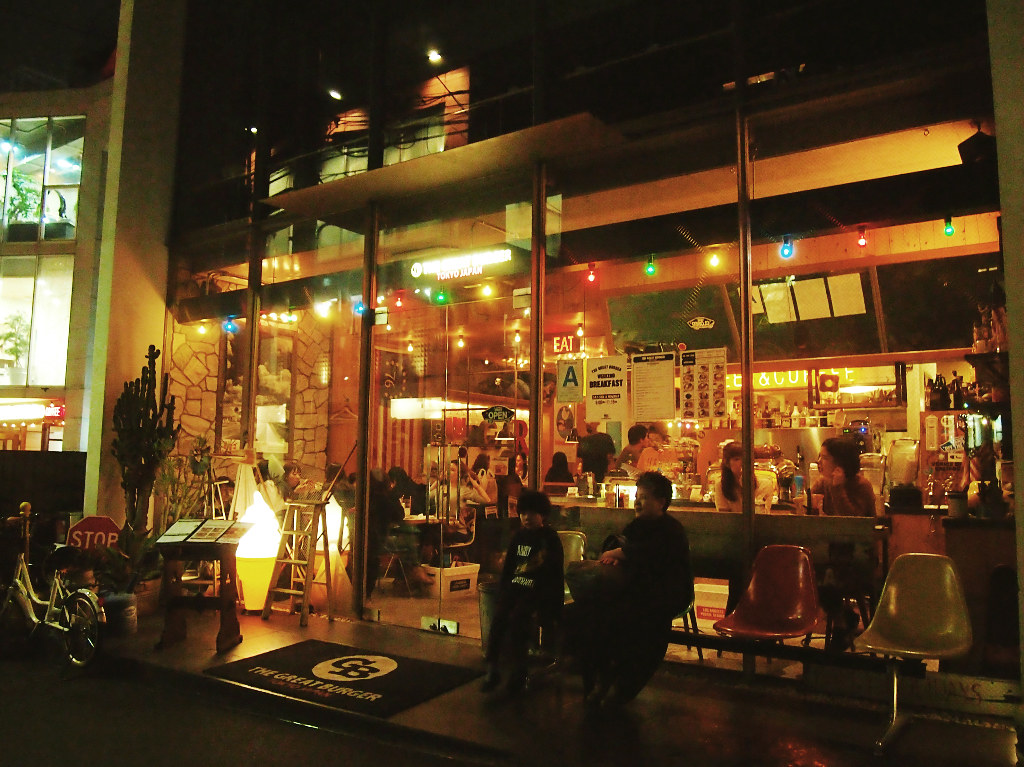
But if you’re looking for food, you can try The Great Burger. We had our dinner at this warm, nostalgic and playful atmosphere. The burger was super awesome and yummy!! Try if you like burgers. It’s in a quiet side street of Cat Street. For more information, refer to What to Eat in Harajuku and Shibuya Tokyo?.

  • www.the-great-burger.com
  • LO 1030pm. 11:30pm – 11:00pm (Weekday); 9:00am – 11:00pm (Sat-Sun, PH)
  • 6-12-5 Jingumae Shibuya-ku

Cat Street 3 - travel.joogo.sg

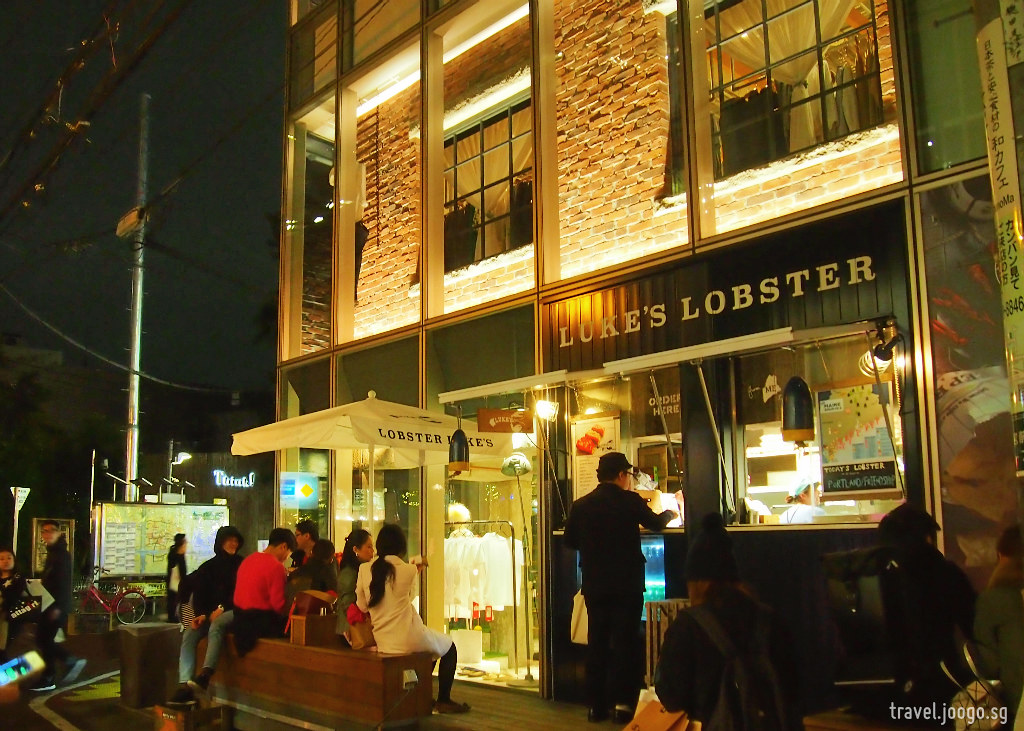
If burger is not your thing, you might want to try Luke’s Lobster that’s selling fresh lobster and seafood rolls (in bread). It’s near the entrance of Cat Street and it’s super crowded! We almost gave up The Great Burger for this. But the potential wait was simply too long for the cold and hungry us. Too bad we missed it because it has really good reviews online! For more information, refer to What to Eat in Harajuku and Shibuya Tokyo?.

  • lukeslobster.jp
  • 11:00am – 8:00pm (Cat Street Branch. It has another Tokyo branch in Shibuya.)
  • 6-7-1 Jingumae

Shibuya


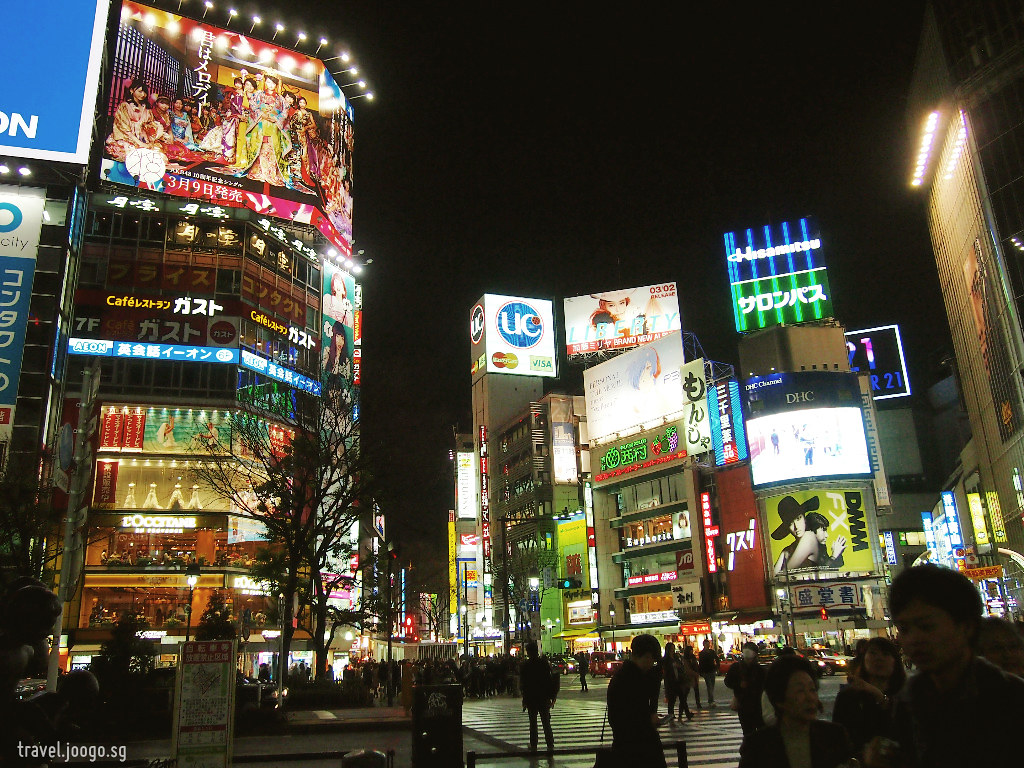
Shibuya is a popular and colourful shopping and entertainment district. With many departmental stores and shopping complex like Tokyu, Seibu, Shibuya 109, Shibuya is a heaven for shopaholics.

Shibuya Crossing - travel.joogo.sg

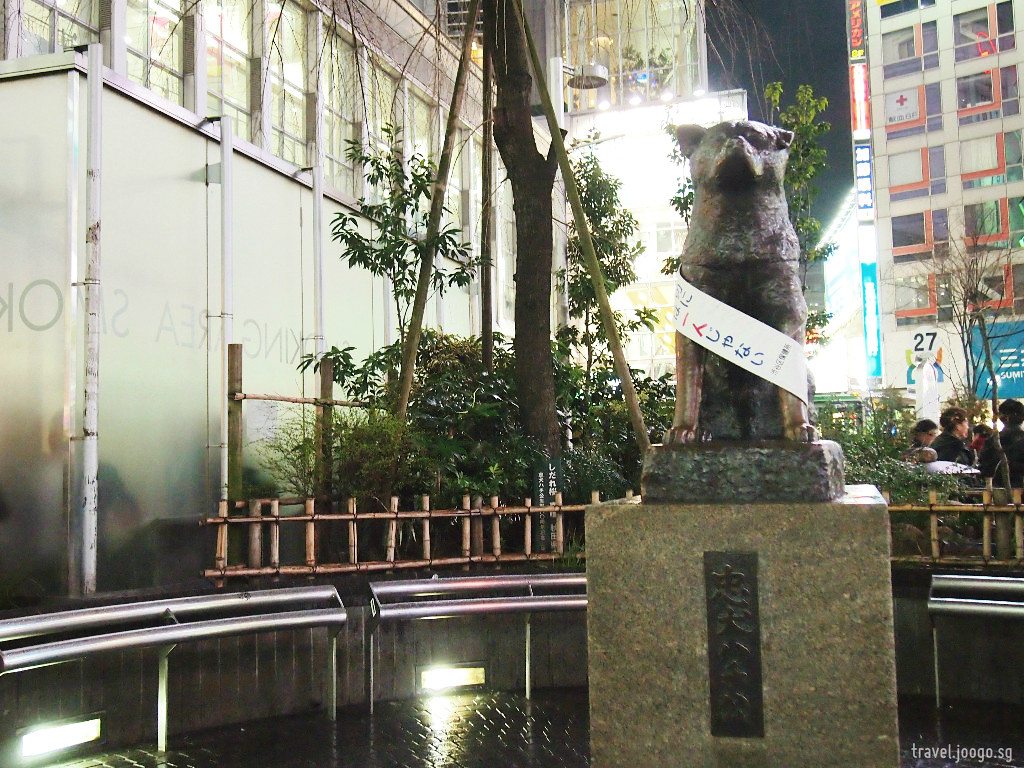
Once you exit Cat Street, walk a bit more and you’ll be at Shibuya train station. Right outside of the station is a bronze statue of Hachiko. 

But who’s Hachiko? Hachiko is the name of a dog known for its remarkable loyalty. It was said that Hachiko waited daily in front of Shibuya Station for his master to return from work. One day, his master died and never returned to the station, but the dog continued to wait for him at the station every day for the next nine years.

Shibuya Dog - travel.joogo.sg

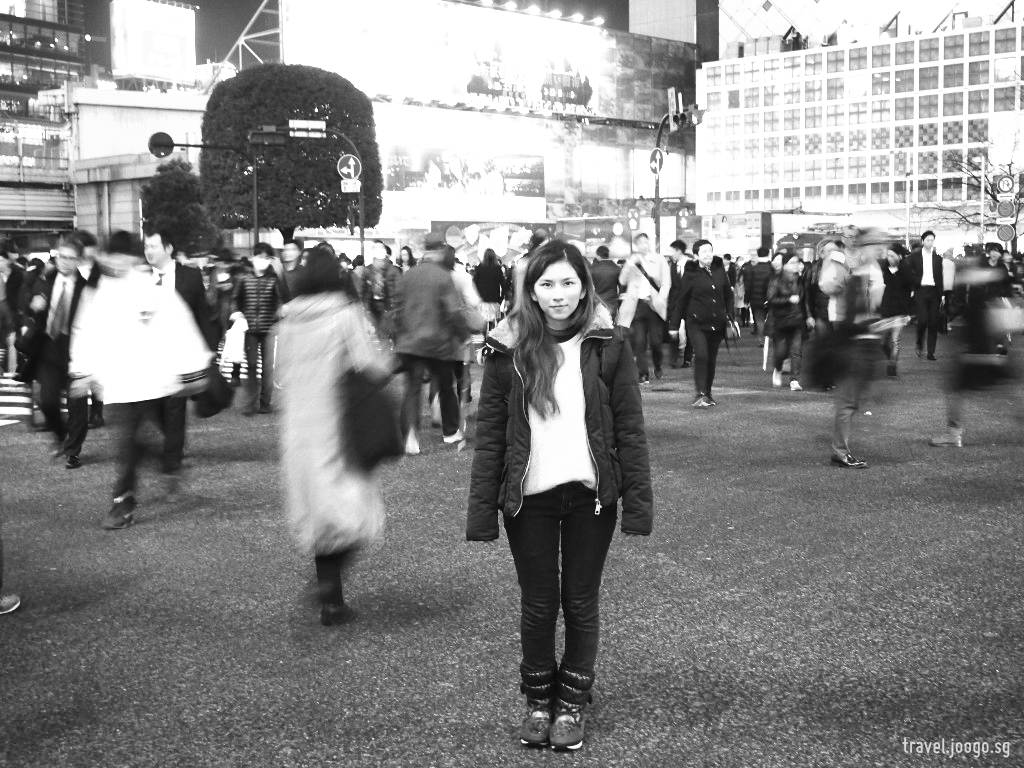
So after taking photo with Hachiko, we walked to the nearby Shibuya Crossing. Having seen so many awesome photos of Shibuya Crossing, I was excited to finally be in the center of the buzz. If you don’t know, Shibuya Crossing is the famous intersection where all the traffic lights changed colour at the same time. Hence, when the traffic light for pedestrians turned green, all traffic stops and pedestrians surged from all sides.

A good spot to observe this scrambling crossroads of life is at the second floor of Starbucks at the intersection. However Starbucks designed the store in such a way that you have to pass through their counter to buy something before you can go upstairs. Smart move, Starbucks.

Shibuya Crossing 1 - travel.joogo.sg

Around Shibuya crossing, you will find Shibuya 109 and the entrance of Center Gai.

  • Shibuya 109 is a 10-storey shopping complex with more than 100 boutiques of disposable fashion for teenage girls. However, the prices are quite high and loud music can be heard blasting on every level in the building. | 10:00am to 9:00pm (Shops); 10/11:00am to 9:00pm (Restaurants); Yoshinoya (24 Hours)
  • Center Gai is a narrow pedestrian street lined with boutiques, game centers, fast food outlets, night clubs and bars.

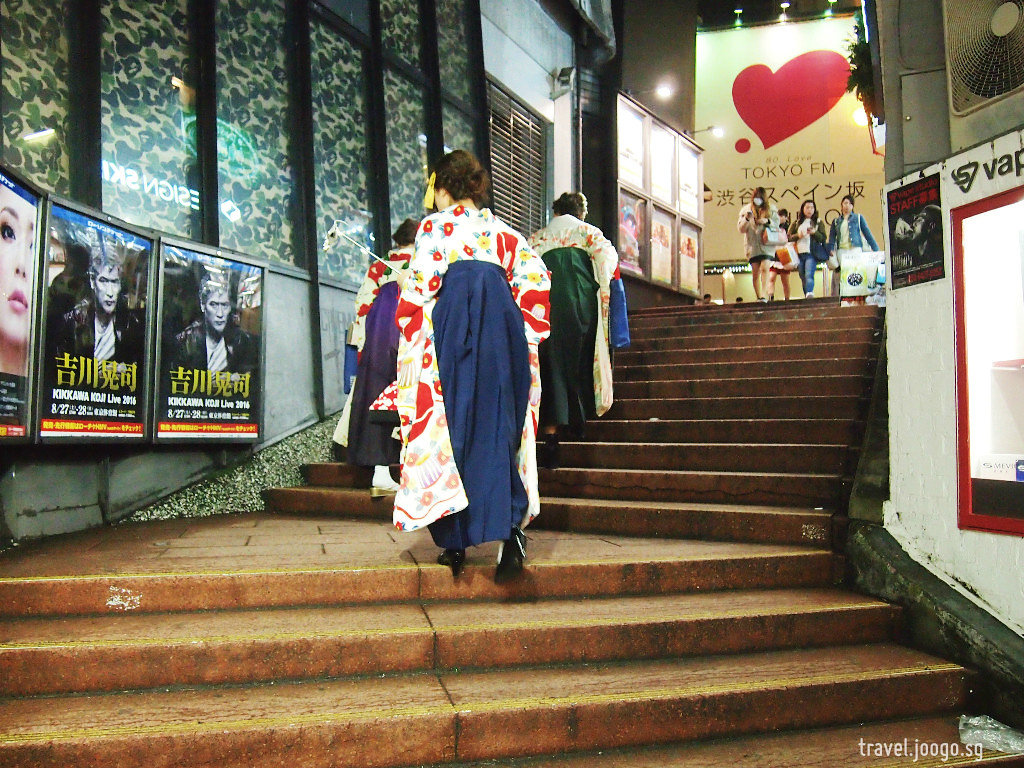
Shibuya Spanish Slope - travel.joogo.sg

Lastly we walked a distance from the Shibuya crossing to the Spainish Slope. It’s a staircase leading up to Parco departmental store. According to some online source, it was so named because the narrow pedestrian street resembled a Spanish street scene. So I was curious to see it, but it was a waste of our time and energy to find this.

Conclusion

Personally, we prefer the character of Harajuku and Cat Street as compared to Shibuya’s city standard looking place. How about you? Otherwise, do you have other places to recommend in Shibuya that will change our minds? Tell us below or on our Facebook Page or Instagram. Moreover, bookmark this page > Overview Itinerary: Hokkaido and Tokyo (Winter/Spring 2016)

Great Deal: AYA Niseko and Ski Package

Great Deal: AYA Niseko and Ski Package

Hello all! I’m selling a great package of AYA Niseko and skiing at Niseko (Hokkaido, Japan). Valid for stay in February and March 2017. Note: Only one package available. Image Credit: Hotels.com Package includes: 3 nights stay in a 3-bedroom condo (3 bedrooms and 2 

Takeshita Dori and Shopping | Harajuku Tokyo (Part 2)

Takeshita Dori and Shopping | Harajuku Tokyo (Part 2)

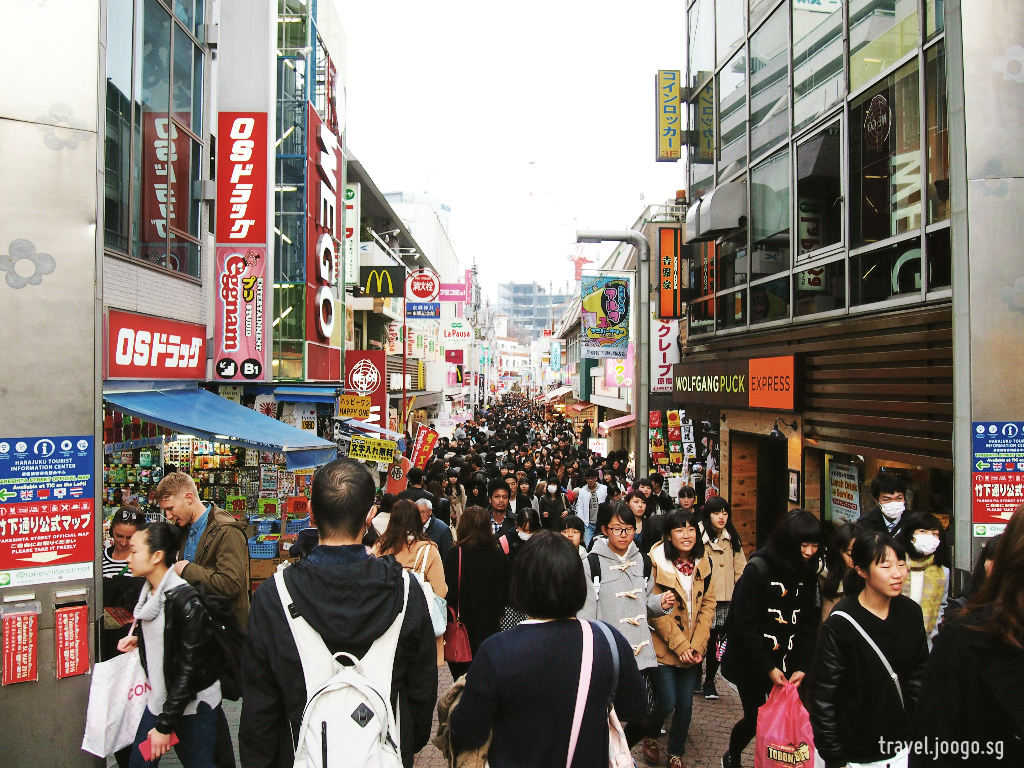
Harajuku Tokyo (原宿) lies between Shinjuku and Shibuya on the Yamanote Line. If you’re all excited about the shopping in Harajuku, you’re at the right place! Other than joining the young crowd at Takeshita Dori and the mature one in Omotesando Hills, there are many other options for you: Cat Street, LaForet, Tokyu Plaza, and 

Meiji Jingu, Yoyogi Park and Ota Museum | Harajuku Tokyo (Part 1)

Meiji Jingu, Yoyogi Park and Ota Museum | Harajuku Tokyo (Part 1)

Harajuku Tokyo (原宿) lies between Shinjuku and Shibuya on the Yamanote Line. At Harajuku, you get to witness Japan’s teenage scene and eccentric fashion at Takeshita Dori (Takeshita Street). And you get to shop at stylish Omotesando Hills or the nearby hipster district, Cat Street. There’s more shopping at LaForet and Tokyu Plaza. Be sure to also drop by interesting shops in Harajuku such as Oriental Bazaar, Porter Bag and Line Friends.

If shopping is not your thing or you can’t stand the crowd, you might find respite at Meiji Jingu (one of Tokyo’s major shrines), Yoyogi Park, Nezu Museum or Ota Memorial Museum of Art (where beautiful ukiyo-e paintings are exhibited). After all the walking, replenish yourself with delicious food in Harajuku! Find out what you can eat at ‘What to Eat in Harajuku and Shibuya Tokyo?‘.

The above is a quick snapshot of what you might find at Harajuku. To know more details and the best way to explore Harajuku Tokyo, follow our trail:


Meiji Jingu Shrine


We made our first stop at Meji Jingu which is near to JR Harajuku. From here, we walked to Takeshita Dori and then through Cat Street to reach Shibuya.

Harajuku Tokyo - Meiji Jingu 1a - travel.joogo.sg

About Meiji Jingu (Meiji Shrine)

Meiji Jingu is a Shinto shrine dedicated to Emperor Meiji and his consort, Empress Shoken, who passed away in 1912 and 1914 respectively, while their tombs are in Kyoto. Shinto is a Japanese religion which focuses on ritual practices to connect present-day Japan to its ancient past and has no founder, no central figure, nor holy book.

The building of the shrine mobilised youth and civic associations throughout Japan to contribute labour and funding. Completed in 1921, Meiji Jingu is designated as one of the most highly ranked Imperial shrines, a Kanpei-taisha (官幣大社). Air raids during World War II destroyed the original building and the present shrine was re-built and completed in 1958 through funds from public fundraising efforts.

Meiji Jingu 0 - travel.joogo.sg

Getting To Meiji Jingu

Meiji Jingu is also near to Tokyo Metro Meijijingu-Mae Station, however it’s a shorter walk from JR Harajuku (Omotesando exit). However, if you are lost in Harajuku station like us and exited from Takeshita exit instead (you might notice a Gap store opposite of you), stepped out of the station and turn right. Walked for about 100m and turn right again. You will then see a majestic wooden gate (torri).

We knew we were somewhere near when we saw a person walking in high heels clogs (photo below). We’re not sure if this is a ritual costume or just Harajuku fashion. His face was painted and had a possessed kind of look. It was quite scary, so I secretly took a snap from his side and quickly walked on.

Meiji Jingu 3 - travel.joogo.sg

Anyway, even though we exited from Takeshita exit which was further away, it only took us about 5 minutes to walk from the JR Station to Meiji Jingu’s gate. That’s near! Good for our legs that were already tired from the walking at Doraemon Museum and Shimo Kitazawa.

But boy, were we wrong! It was just the beginning of a “never ending” path to reach the main shrine building from the gate – it will probably take you 10 minutes of walking. So clear your bladder before the walk!Meiji Jingu 2 - travel.joogo.sg

It might even take more than 10 minutes if you have young children, elderly or those who might have trouble walking on rocky grounds. Yeap, do note that the path is paved with small stones and hence not wheelchair friendly. The walking might also take longer if you stop and take photos of interesting artefacts along the way.

Meiji Jingu 4 - travel.joogo.sg

As we walked along the pathway, we came across rows of barrels. On one side are rows of sake barrels wrapped in straw and parallel to them on the other side are rows of wine barrels. Quite a sight!

Note that Meiji Jingu opens from sunrise to sunset. It closes early during winter when the day is shorter. So make sure you schedule enough time to walk in and out and tour around the shrine before the sun sets. Check out special events happening at Meiji Jingu too!

At Meiji Jingu

So happy when we finally reached! Just before the entrance, we saw people scooping water to wash their hands. This is apparently a hand washing custom before going into the shrine.

Meiji Jingu 1 - travel.joogo.sg

And there’s a way to do it, according to this blog: Take the dipper with your right hand to scoop and pour some of the water on your left hand, then pour some on your right hand. Now to rinse your mouth, transfer the dipper back to your right hand, and pour water into your cupped left hand and to your mouth. Don’t drink directly from the dipper. Silently swish in your mouth and don’t drink it. Then quietly spit it back into your left hand and not into the water reservoir. Then, hold the dipper’s handle in both hands and make it vertical so the remaining water washes the handle. Put the dipper back to where you found it.

p.s. Can’t comment much about our experience because we didn’t do it. Being Christians, we weren’t comfortable in doing this ritual. 

Meiji Jingu 6 - travel.joogo.sg

The wash basin at the main entrance we arrived at was crowded. This is because it was where most people enter the shrine by. However, if you want to take photo of an empty basin or want to wash your hands and mouth with less crowd, head to the side gates: The (2) indicated in Meiji Jingu’s official map are other places you can find these wash basins. Head to the nearer right side entrance if you want. This is also a good opportunity to explore the shrine grounds on different walking paths as it is in a beautiful and dense forest.

Meiji Jingu 7 - travel.joogo.sg

You can also find the shrine “signature”: wooden blocks of prayers and wishes written and hung on the shrine grounds. If you wish, you can also purchase amulets for different types of blessings from ¥800 to ¥1000 (S$10 – S$12.60).

Wedding Ceremony

We managed to get a glimpse of the bride and groom of a Shinto wedding. You might even have better luck than us and witness the solemn procession of a Shinto wedding. Two priests and two shrine maidens lead the way of the procession, followed by the couple under a red umbrella and then their family and friends. When a procession passes, please clear the way and maintain the dignity of the moment. Don’t step too near or in the way of the procession to take photos.

Meiji Jingu 8 - travel.joogo.sg

We didn’t make it to the treasure museum which was quite a distance away from the main building.

  • www.meijijingu.or.jp; Shrine Map
  • Sunrise to Sunset
  • Meiji Jingu 1-1 Yoyogi-Kamizono-cho, Shibuya-ku, Tokyo 151-8857, Japan
  • Directions:
    • Nearby Train Stations for the various gates.
    • South Shrine Gate: JR Harajuku Station (Omotesando Exit) and Tokyo Metro, Meiji Jingu Mae Station (Exit 2)

Meiji Jingu 5 - travel.joogo.sg


Yoyogi Park


After Meiji Jingu, you might want to spend more time in the nature and people watch. And Yoyogi Park is a place for you to do just that! It’s only a 5 minutes walk from Meiji Jingu. Being Tokyo’s fourth largest urban park with wide lawns and fountains, it is a great place for outdoor activities such as jogging, picnicking and holding practice sessions and performances for all sorts of talent.

Before Yoyogi Park became a park, the site was once used as an U.S. army barracks after the war and the Olympic village for 1964 Tokyo Olympics. Currently, Yoyogi Park has two sections separated by a road: the forested area and a section of stadium, outdoor stage and other facilities.

The Yoyogi park mentioned in this post and in most other travel websites refers to the forested area. For a better idea, here’s a Yoyogi Park Map. You can simply hang around at the east entrance or the water facilities, or head up north — to cycle, eat at a snack hut or enjoy a dog run of terriers dressed in rhinestones and denim.

Yoyogi Park - travel.joogo.sg

As for us, we were running out of time to explore the rest of Harajuku. Hence, we only made it to the east entrance which was near to Harajuku JR station/Meiji Jingu and u-turned back to Takeshita Dori. But we still managed to admire a group of folks in their fifties or sixties donning Elvis-inspired hairstyle and costume and dancing rock and roll to American (retro) pop music! They’re usually at the east entrance on Sunday, and Sunday is the best time to catch most of the action at Yoyogi Park. 

  • Admission is free; Yoyogi Park Map
  • Opens from dawn to dusk, hours should be similar to Meiji Jingu.
  • Yoyogi-Kamizono-cho 2-1, Shibuya-ku Japan 151-0052
  • Directions:
    • 3 minutes walk from JR Yamanote line: Harajuku (Omotesando exit) or Chiyoda line: Yoyogi-Koen (exit 4).
    • 6 to 8 minutes walk from Odakyu line: Yoyogi-Hachiman and Chiyoda Line and Fukutoshin Line: Meiji-Jingumae (Exit 2)
    • From Meiji Jingu (South shrine gate near to JR Harajuku), turn right at the main street and keep walking. The park entrance of its forested section will be on your right.

Yoyogi Park 2 - travel.joogo.sg


Ota Memorial Museum of Art


For those who appreciate art and/or are not ready for shopping or the squeeze on Harajuku streets, you can visit Ota Memorial Museum of Art. It’s only a 5 minutes walk away from Yoyogi Park or Meiji Jingu. The small and elegant museum has a collection of about 14,000 ukiyo-e works which comprised of both nikuhitsu-ga painting and ukiyo-e wood-block prints. Exhibits change periodically, with special exhibitions held from time to time.

According to Japan-Guide.com, “Ukiyo-e (浮世絵) are Japanese woodblock prints which depict sumo wrestlers, popular geisha and kabuki actors from the world of entertainment. Ukiyo-e, literally “paintings of the floating world”, were so named because their subjects were associated with impermanence and detachment from ordinary life.”

We missed this stop due to the lack of time! :( I’ll put this on my to-go list for my next Harajuku visit.

  • www.ukiyoe-ota-muse.jp/eng
  • 10:30 am – 5:30 pm (Last Admission at 5:00 pm)
  • Closed Mondays, except National Holidays (which it will then close on Tuesday)
  • 1-10-10 Jingu-mae Shibuyaku Tokyo, 150-0001 Japan
  • Admission fee varies according to exhibition: ¥700-1000 (S$8.80 – 12.60)(Adults); ¥ 500-700 (S$6.30-8.80)(Students)
  • Directions (5 mins walk):
    • From JR Yamanote line (Harajuku, Omotesando exit), Yoyogi Park, Meiji Jingu: Walk down Omotesando Street towards Meiji-Jingu metro station. Turn left after Softbank cellphone store and walk on.
    • From Chiyoda Line and Fukutoshin Line (Meiji-Jingumae, exit 5): Walk down Omotesando Street. Make a right turn just before the Softbank cellphone store and walk on.

Have fun at Harajuku! More about Harajuku in ‘Takeshita Dori and Shopping | Harajuku Tokyo (Part 2)‘ and ‘From Harajuku’s Cat Street to Shibuya‘.

Do you have any questions or suggestions for Harajuku? Tell us below or on our Facebook Page or Instagram. Bookmark this page >> Overview Itinerary: Hokkaido and Tokyo (Winter/Spring 2016)

What to Eat in Harajuku and Shibuya Tokyo?

What to Eat in Harajuku and Shibuya Tokyo?

For food lovers hunting for good food around Tokyo, I’m writing a series of the food we tried (or almost tried) around Ginza, Harajuku, Shibuya and Shinjuku. Look out for our honest reviews. :P First it was “What to Eat in Ginza Tokyo?“. Now, it will be what 

Walking Around Glitzy Ginza, Japan

Walking Around Glitzy Ginza, Japan

Ginza (銀座) is Tokyo’s famous upmarket shopping, dining and entertainment district on one of Japan’s most expensive real estate. In this district, you will be surrounded with high-end boutiques, department stores, art galleries, restaurants, night clubs and cafes. Ginza used to be the site for silver coin mint from